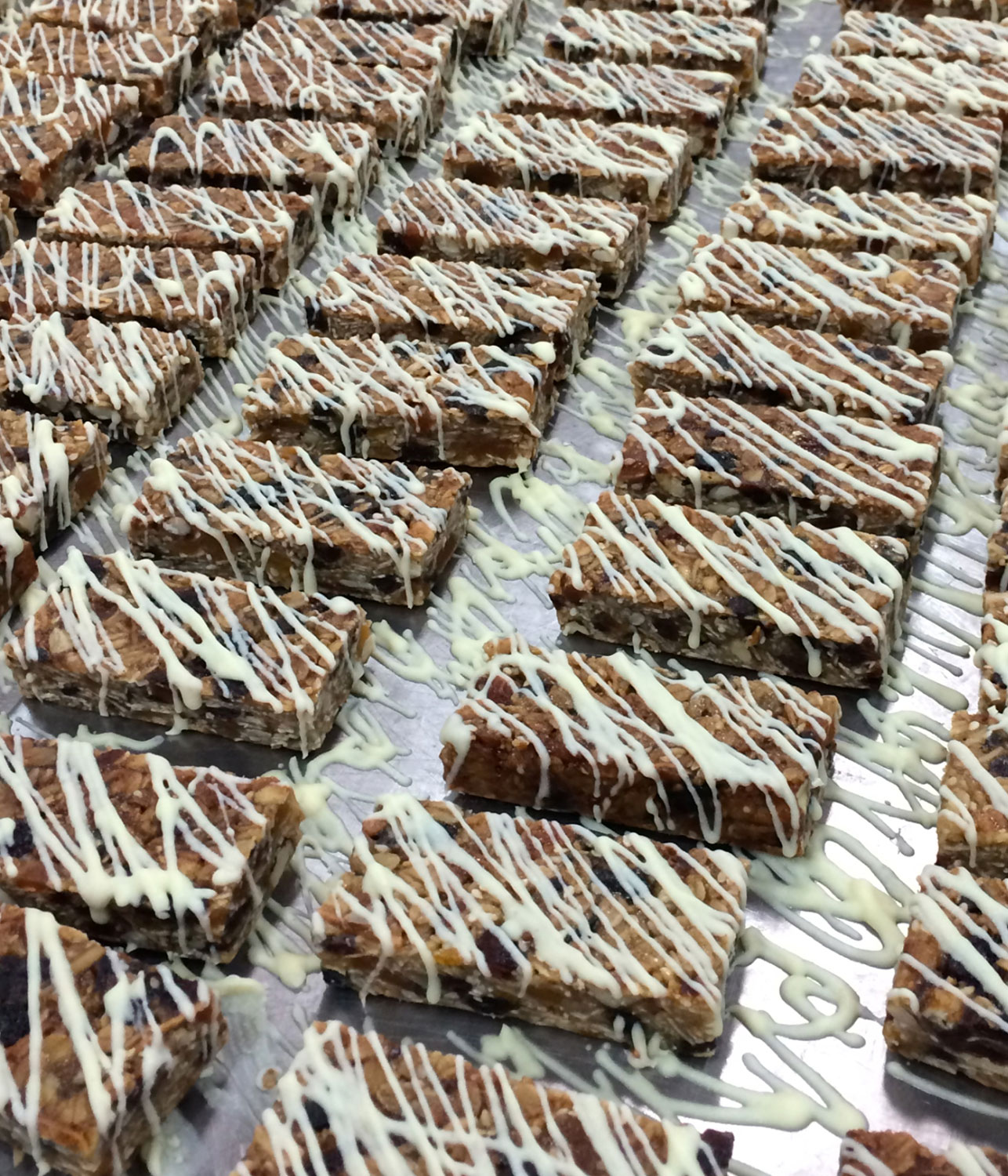
In today's fiercely affordable and ever-evolving food sector, the duty of private-label food producers can not be overemphasized. These customized suppliers are at the center of producing tailored cooking brand names that accommodate the distinct preferences as well as choices of consumers. In this write-up, we will certainly delve into the importance of private-label food manufacturing, its development, and the collaborative process behind crafting these culinary productions.
The Development of Private Label Food Manufacturing
Private-label foods, often referred to as agreement manufacturing, have actually undergone an impressive improvement from being associated with common, low-quality products to coming to be associated with costs, personalized offerings. The assumption of private-label items has changed drastically in recent years.
Private-label food suppliers are currently celebrated for their competence in producing high-quality, custom-made items that can measure up to popular nationwide brands. They have actually come to be the best option for food business owners, restaurateurs, and sellers looking for to develop distinct cooking brands.
Why Private Label Food Manufacturers Are Essential
1. Personalization: Letting Loose Cooking Imagination
Among the essential reasons private label food manufacturers have actually acquired prestige is their unparalleled capacity to personalize food. They function very closely with customers to establish items that align with details preferences, dietary requirements, as well as market niches. Whether it's crafting plant-based, gluten-free meals or cooking up natural sauces, private label manufacturers have the knowledge to bring culinary visions to life.
2. Cost Effectiveness: Navigating Budgets Gracefully
Working together with private brand food producers often verifies to be cost-efficient for services. These makers are well-appointed with advanced devices and also possess a robust supply chain network, allowing them to produce top quality food products at reduced prices. This cost can be a game-changer for smaller sized firms as well as startups intending to permeate the food manufacturing landscape.
3. Scalability: Fulfilling Market Demands
Private-label food producers are skilled at scaling manufacturing according to customer requirements. Whether a client needs a tiny set of specialty products or a huge production go to fulfill market needs, these suppliers can adapt swiftly. This adaptability equips companies to expand and also react to market adjustments with dexterity.
The Collaborative Journey: From Suggestion to Plate
Effective private label food manufacturing hinges on smooth cooperation in between brand proprietors and manufacturers. Here's a glimpse into the key stages of this manufacturing procedure:
1. Concept Generation:
The journey starts with a spark of creativity. Brand owners imagine an one-of-a-kind item that fulfills a specific need or targets a particular sector of the market.

Private label producers work hand in hand with brand name proprietors to change concepts right into reality. This stage involves formulating as well as rigorously testing recipes, sourcing top notch components, and carrying out taste-tests to make certain the product meets specific specs.
3. Branding as well as Product packaging:
Along with helping with product packaging style, private label makers lend their knowledge to branding. This action is critical for developing a robust brand identification and bring in potential customers.
4. Manufacturing and Quality Assurance:
Once the product as well as branding have been settled, the focus changes to manufacturing and quality control. Private-label manufacturers abide by rigorous quality assurance procedures to ensure steady uniformity as well as exceptional quality.
5. Distribution as well as Advertising:
With the item keyed for circulation and also marketing, brand name owners can harness their personal label partner's proficiency to craft efficient marketing approaches as well as reach their target audience successfully.
Frequently asked questions
Q1: What distinguishes private label food manufacturers from conventional food manufacturers?
A1: Private label food manufacturers focus on crafting personalized food products customized to the one-of-a-kind preferences of clients. They offer economical remedies, scalability, as well as a collaborative technique that sets them besides conventional producers.
Q2: How can private label food manufacturing advantage startups and small businesses?
A2: Personal label makers offer start-ups as well as small businesses with access to high-grade production facilities, cost performances, and the ability to range production as private label foods they expand, without the concern of heavy in advance investments.
Q3: Can private label food manufacturers cater to dietary limitations as well as specialized diets?
A3: Definitely. Exclusive label suppliers stand out at producing items that accommodate numerous nutritional needs, including plant-based, gluten-free, and organic choices, ensuring a wide range of choices for customers.
Verdict:
Private-label food suppliers, also referred to as agreement suppliers, contribute fit the diverse and vibrant food landscape we experience today. Their ability to give customization, cost-efficiency, and quality assurance positions them as essential companions for organizations aiming to make their mark in the cooking globe.